
Supply Chain & Logistics
Move freight on a plan that survives contact with the network.
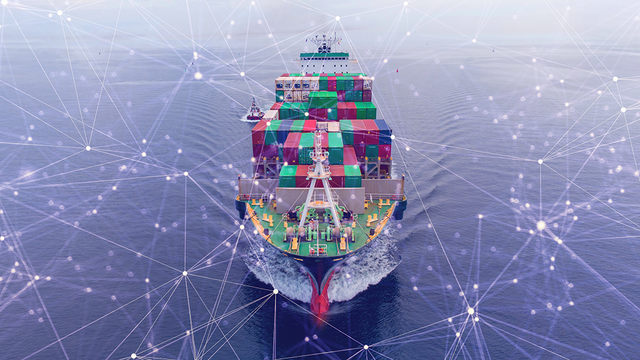
Lanes, hubs, carriers, and the equipment itself sit in one graph, so a delay is a change to the plan rather than a message about it. Agents reroute around a closed berth or a short chassis pool while the freight is still moving, and hold the commitments that matter instead of the ones that are easiest to keep. The fleet is an asset hierarchy at the same time, so the maintenance a tractor or a vessel needs is scheduled against the work it is already committed to.
In the news
Avathon in action
AI-driven fleet scheduling
Globally optimal schedules and real-time routing across multi-modal bulk assets — maritime liquid bulk, rail tank cars, tanker trucks, and terminals. Optimization runs continuously against live conditions.
Living operating plans
Static plans become living systems: agents map assets, schedules, constraints, risks, and dependencies, diagnose variations, and optimize inventory, load and unload operations, and scheduling in real time.
What-if scenario planning
Planners test trade-offs before committing capacity, with historic performance and live conditions in the same model and reinforcement learning driving the optimization.
Real-time fleet visibility
Cost, utilization, and efficiency KPIs on an interactive global map — vessel schedules, cargo assignments, live tracking, and smart search in one place, fed by cargo, shipment, weather, and constraint data from across the enterprise.