Introduction: Electric power complexity is evolving daily
The power and utility industry faces disruption from the accelerating growth of wind and solar generation, massive infrastructure investment requirements, environmental concerns, and rapidly growing energy demand from data center construction and vehicle electrification. In 2026, the relationship between artificial intelligence (AI) and electric utilities has become a “virtuous cycle.” While AI-driven data centers are creating unprecedented surges in power demand, the utilities themselves are deploying AI to manage that very complexity and demand.
The role of AI has shifted from experimental pilots to agentic operations—autonomous or semi-autonomous systems that coordinate across the entire grid to ensure reliability and efficiency in both generation, transmission/distribution, and even customer service.
Operating an increasingly complex fleet of generation and T&D assets is a relentless challenge
- Generation: Growing demand from vehicle electrification and data center projects coupled with the complexity of migrating to renewable generation sources means that success will require the simultaneous optimization of capacity, flexibility, and reliability. But despite these evolving trends, peaking, in particular, will continue to be important to handle demand when renewable output falls due to wind and solar fluctuations.
- Transmission and Distribution: T&D operators are challenged to run grid assets reliably in the face of accelerating infrastructure growth demands, unpredictable weather, and increasingly common threats from cybersecurity breaches and other exogenous events. By moving from reactive to predictive, autonomous operations, T&D operators can optimize performance to meet the expectations of customers, investors, and regulators.
AI-powered autonomy drives optimal utility performance
AI enables a wide range of performance-enhancing applications, all of which will be necessary if utilities are to successfully navigate the coming years of increased demand, rising customer expectations, and aging infrastructure.
Predictive maintenance and asset management: By analyzing performance data from power lines, transformers, circuit breakers, and other equipment, operators can accurately predict system and equipment failure and take proactive mitigating actions that minimize unplanned failures. By using AI-enabled visual inspection techniques (from the ground, with drones, or even satellites), line inspection can be automated and failures averted. AI has transformed maintenance from a schedule-based task to a proactive, data-driven operation. By analyzing equipment performance and condition in real time, maintenance crews can intervene before failures happen.
- Asset Monitoring: AI scans for minute harmonic distortions or voltage imbalances in transformers and substations. Many utilities use UV and infrared thermal cameras paired with computer vision to detect arcing or hotspots that indicate impending failure.
- Self-Healing: In advanced smart grids, AI can autonomously re-route power around a detected fault in milliseconds, isolating the issue and minimizing the number of affected customers.
Spares planning and readiness: Optimizing supply chain operations ensures the availability of spare parts in the right locations at the right times, enabling enhanced planning, logistics, and instruction delivery to maintenance personnel.
Vegetation Management: AI-analyzed drone and satellite imagery identifies locations where trees are encroaching on power lines, enabling targeted pruning that prevents fire risks and storm-related outages.
Performance analysis and optimization: Analyzing and identifying areas of performance and underperformance of assets, systems, and plants optimizes power production and ensures cost efficiency.
Dynamic Demand Response: Legacy demand response techniques often required manual intervention (e.g., asking customers to turn off AC). With AI energy agents, this critical task is handled autonomously.
- Hyperscale Integration: Utilities now partner with AI data centers to treat them as hybrid assets. When the grid is stressed, AI applications shift data center workloads to different regions or throttle non-critical processing to free up capacity.
- Micro-Adjustments: AI agents in smart buildings manage EV charging and industrial cooling in real-time, shifting consumption to hours when renewable energy is abundant and prices are lowest.
- Virtual Power Plants: AI aggregates thousands of small-scale energy sources (home batteries, solar panels) into a single virtual power source that can bid into energy markets or provide stability during peak loads.
Outage and storm response: AI improves the speed and efficiency of responding to outages or other grid disruptions. By analyzing smart meter and sensor data, faults are quickly located and crews dispatched.
Grid optimization and loss reduction: Real-time flow optimization can identify optimal paths for power, dynamically adjusting flow voltages to minimize line losses. Models can also analyze real-time customer usage patterns, weather forecasts, and historical consumption to develop highly accurate load forecasts. This enables generators to produce power more responsively and T&D operators to purchase power more precisely, avoid imbalances, minimize overloaded equipment, and achieve better integration of power from inconsistent renewable sources.
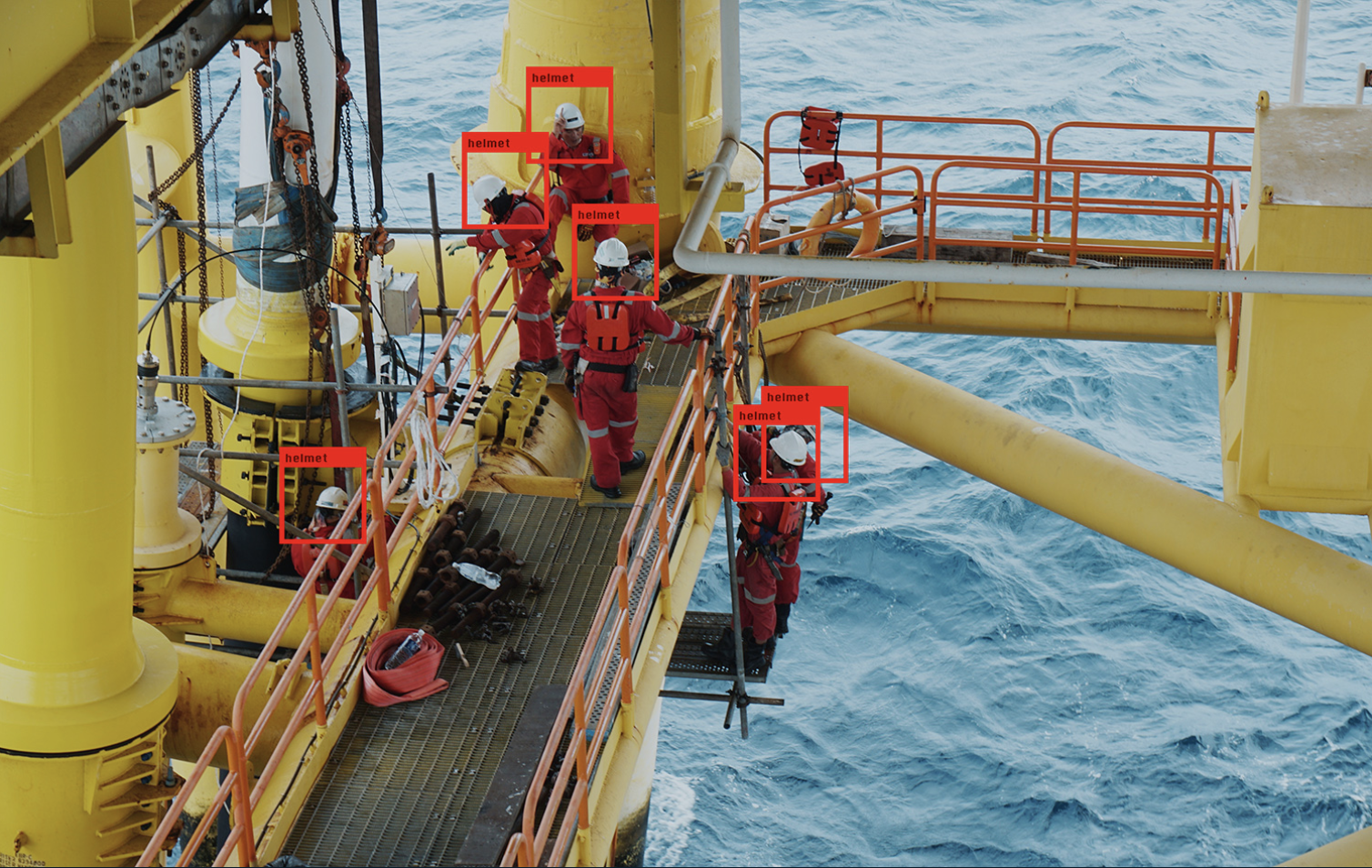
Enhanced safety and security: AI analyzes work orders, weather forecasts, and equipment status to ensure safe operations and efficient scheduling/dispatch of field crews. In addition, visual AI applications ensure compliance with personal protective equipment (PPE) guidelines and identify workplace hazards, ensuring worker safety and productivity.
Avathon Autonomy enhances system performance
The electric power industry is experiencing a new operating environment in which equipment is outfitted with a myriad of sensors and communication devices. While all the data collected by this smart equipment presents great opportunities—better systematic visibility, equipment efficiency, and insight into operations—it also creates challenges.
Although sensors provide huge amounts of real-time data, that data often sits at the point of collection, unorganized and unusable on a larger scale. Knowing the physical responses of how assets behave is critical to optimizing their use and identifying anomalies that could indicate an impending breakdown. Avathon Autonomy aggregates data from thousands of sensors and finds correlations that point to how the various components of the asset are working together. The Autonomy platform also analyzes data during transient events such as startups and coast-downs, periods when many issues first appear. These data analysis techniques provide unprecedented visibility into overall asset performance.
Avathon’s unique automated model-building algorithms identify anomalies, without prior knowledge, that other monitoring and analysis systems focusing on fewer variables will miss. By identifying potential failures earlier, companies have the opportunity to streamline and prioritize maintenance schedules instead of waiting until a problem occurs. Planning for maintenance also allows downtime to be minimized, keeping machines and workers productive.
In a recent deployment, Avathon Autonomy was implemented on a fleet of new turbines for a top three energy provider. Within four months of deployment, the Autonomy platform identified a manufacturing defect that went undetected by traditional monitoring systems lacking a holistic view of turbine operations. Had the recommended service not been performed, this defect would have resulted in catastrophic damage to a $100M asset.
Conclusion: The future of electric power is autonomous
With Avathon’s Autonomy Platform, power companies achieve the digital transformation needed to tackle an ever-evolving playing field and stay ahead of competitors. The Autonomy Platform turns the traditional power/utility operating plan into a living, AI-driven system that delivers immediate cost savings, efficiency, and improved asset performance. Using computational knowledge graph (CKG) technology to map assets, resources, schedules, and dependencies, the platform enables AI agents to anticipate maintenance needs, optimize parts and workforce deployment, and coordinate supply chain actions in real time. By integrating all these components into a unified, adaptive plan, operators dramatically reduce operating and capital costs, minimize downtime, and maximize the revenue potential of their generation and T&D assets.
To learn more about Avathon’s Autonomy Platform for Power & Utilities, check out our website.