Introduction
The integration of artificial intelligence (AI) into railroad operations has evolved from an experiment in innovation to an essential element of daily operations. For rail fleet operators, AI now serves as a force multiplier, turning massive streams of performance data from tracks, locomotives, rolling stock, and cameras into actionable intelligence that reduces costs, extends asset lifetimes, and improves safety. Ensuring the reliability, safety, and efficiency of rail assets is crucial to maintaining service quality and minimizing disruptions. AI enables the use of real-time data, predictive analytics, and asset performance management to minimize downtime and enhance operating efficiency and safety for the rail industry.
The Avathon Autonomy Platform Tackles These Challenges
AI promises to do for rail operators what electrification once did for steam engines: replace rigid scheduling with frictionless, predictive precision. By orchestrating real-time dynamic dispatching, predictive maintenance, and autonomous fleet management, AI transforms heavy steel-and-iron infrastructure into an agile, self-optimizing cargo transportation system.
Asset Integrity and Reliability
Railroads transport cargo across some of the world’s most remote and challenging places, where mechanical wear and environmental hazards can result in equipment failures, transit delays, and compromised worker safety. Avathon’s Autonomy Platform uses real-time data from sensors on locomotives and rolling stock to predict, days or even weeks in advance, when equipment failures are imminent and maintenance is required, delivering agentic asset reliability at scale.
- Predictive maintenance:AI-powered predictive/prescriptive maintenance assesses operating performance in real time by analyzing IoT sensor data and estimating an asset’s Remaining Useful Life (RUL), enhancing reliability and driving down maintenance costs. Predictive NBMs reduce unplanned downtime by identifying operating anomalies that will lead to system failures, diagnosing problems proactively, prescribing mitigating actions, identifying optimum maintenance downtimes, and managing spares inventories and crew schedules, enabling operators to take action to minimize downstream effects. Such advanced autonomous capabilities enable shippers to avoid system failures and increase asset health/availability, longevity, and operating performance, supporting the next generation of maintainers even as the current generation approach retirement.
- Condition-based maintenance planning:A significant percentage of system failures are attributable to human error, including delayed or poor maintenance. AI reduces these risks by automating diagnostic checks and making agentic operating changes where/when required. Rail operators can realize significant performance improvements and reduced operating expenses by augmenting fixed maintenance schedules with AI-enabled, condition-based repairs. And continuously identifying efficiency losses, addressing process instability, and recommending corrective set points all help to maximize asset health and useful equipment life.
Terminal Warehouse Automation and Robotics
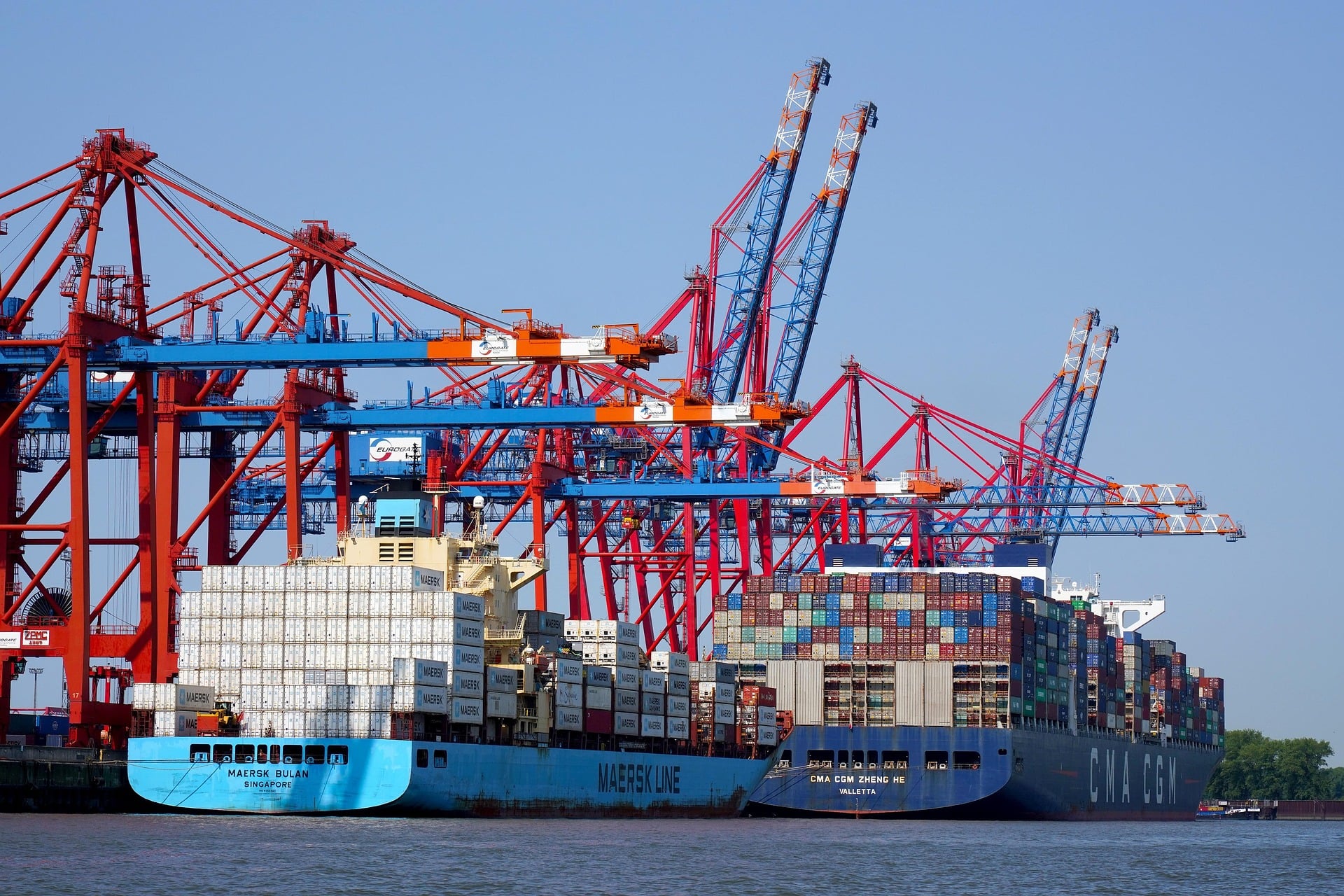
AI transforms how rail operators run container terminals and near-port logistics hubs. By marrying machine learning, computer vision, and IoT edge computing with heavy robotics, operators turn massive rail yards into synchronized, semi-autonomous networks.
- Predictive slotting: AI terminal operating systems (TOS) evaluate container weight, departure schedules, and overland transport modes (rail vs. truck).
- Preemptive intervention: Machine learning models flag component wear for cranes and other terminal equipment (like gearbox fatigue or motor overheating) days or weeks before failure occurs, allowing maintenance teams to coordinate repairs during scheduled idle windows.
Planning, Logistics, and Scheduling
AI enables the establishment of a supply chain and order management framework that integrates demand forecasts, parts inventory levels, supplier capacity, and logistics constraints to optimize material availability and reduce costs.
- Inbound transportation: AI-enabled models optimize inbound logistics, including routing, scheduling, and carrier selection, to improve efficiency and reduce cost. AI-enabled shipment tracking with dynamic ETA estimation ensures milestone visibility.
- AI-powered route optimization: The Autonomy Platform analyzes real-time track and rolling stock conditions to reduce fuel consumption, dynamically adjusting routes and speeds to match changing conditions, maximizing fuel efficiency, and reducing carbon emissions.
- Adaptability: The Autonomy Platform instantly responds to the closure of a rail route or other environmental change to recompute affected bookings, containers, routes, equipment, and schedules — no batch cycles, no overnight runs, no latency between reality and plan. Adding agency on top of sensing and analysis results in a true agentic computational knowledge graph (CKG)—knowledge plus computation plus autonomy: systems that act rather than merely report.
Health and Safety
The Autonomy Platform identifies unsafe operating issues before they escalate into hazards by continuously monitoring the condition of critical train and rail infrastructure systems. Early detection of component wear or malfunction reduces the likelihood of accidents. Manual track inspections are slow, dangerous, and prone to human error. Visual AI automates this process using cameras and light detection and ranging (LiDAR) systems mounted on trains or drones.
- PPE compliance: Worker personal protective equipment (PPE) compliance is enforced, e.g., safety shoes, helmets, high-visibility vests, etc.
- Proximity awareness: Unauthorized personnel or near-miss proximity events between humans and moving machinery are proactively identified.
- Obstruction identification: Obstructions on tracks, e.g., vehicles, tree branches, animals, and other hazardous objects are flagged.
- Impending problems: The Autonomy Platform autonomously scans thousands of miles of track for hairline cracks, loose bolts, or other infrastructure problems that could cause derailments or safety issues.
Visibility and Predictability
By unifying operational data into a foundational layer, a single source of truth is created that enables bills of material (BOM), inventory, suppliers, and transportation providers to be integrated, optimizing material management and reducing operating costs. Machine-learning models forecast demand, container return, and detention and demurrage, while reinforcement-learning agents and network-balance models encode the experiential knowledge that today lives with a handful of veteran planners—many of whom are approaching retirement.
- Operational visibility: AI models create a real-time, end-to-end view of the supply chain, enhancing decision-making, mitigating operating risks, and improving responsiveness to disruptions.
- Inbound transportation: AI-enabled algorithms optimize inbound logistics; including routing, scheduling, and rail operator selection to improve efficiency and reduce cost.
Domestic Intermodal Optimization
Avathon’s proprietary CKG technology enables the optimization of intermodal logistics by ingesting and analyzing rail, ocean carrier, terminal, and external feeds, forming a single source of truth that links containers, locations, bookings, and deliveries.
- Information simplification: The Avathon Autonomy Platform replaces spreadsheets and other manual analysis tools with an integrated digital planning and execution workspace.
- Supply/demand balancing: Machine learning-based supply/demand orchestration ensures timely and accurate deliveries.
- Customer experience optimization: Autonomous recommendations, billing automation, and disruption alerts with human-in-the-loop operation drive consistent customer experience.
The Benefits: More efficient, economical rail transport
The benefits of AI-enabled rail operations are significant and enduring.
- Extended asset lifetimes/reduced capital costs: The lifespan of locomotives, rolling stock, and rail assets are extended by employing predictive/prescriptive maintenance practices.
- Improved crew utilization: Crew operating efficiency is improved, reducing excess labor costs.
- Maximized equipment availability: Equipment failures are reduced through dynamic/proactive AI-driven maintenance.
- Lower unplanned downtime: Predictive/prescriptive maintenance reduces downtime, maximizing asset utilization and ROI.
- Enhanced worker safety: Worker PPE compliance is assured and lost-time and insurance costs minimized.
- Reduced operating cost: Shipping costs—whether per mile, per container, or per pound—are minimized.
- Better schedule adherence: By optimizing routes and minimizing maintenance-related disruptions, cargo is delivered faster and more predictably, significantly enhancing on-time performance.
Conclusion: AI enhances competitiveness by transforming rail operations
The integration of AI into ongoing operations marks a pivotal shift for the rail industry, transitioning it from a reactive infrastructure to a proactive, data-driven ecosystem. By harnessing predictive maintenance to virtually eliminate unforeseen downtime, optimizing traffic flow to expand network capacity without laying new track, and utilizing computer vision to heighten safety standards, AI serves as the cornerstone of a modernized rail network. As these technologies continue to mature, they do more than just drive efficiency and cost savings—they redefine operating performance through increased punctuality and seamless product delivery, ensuring that rail remains a competitive, sustainable, and reliable backbone of global transportation in the years to come.
To learn more about Avathon’s Autonomy Platform for the Rail industry, visit our website.