Avathon Autonomy
for Asset Management
In a world where industrial equipment is increasingly reliable, and failure data scarce, traditional asset maintenance approaches are far less effective than they could be. Avathon’s Asset Management platform uses artificial intelligence (AI) to autonomously monitor, maintain, and extend the lifetimes of assets, enabling industrial operators to increase the reliability and performance of their entire portfolio of capital-intensive equipment, maximizing asset lifetimes and ensuring product/service quality, all while reducing the labor required to achieve these outcomes.

Extracting the greatest value from your assets
In recent years, AI has evolved from a competitive advantage to a fundamental operating necessity for Asset Management organizations charged with maximizing performance, controlling costs, and delivering scalable growth. By deploying advanced predictive models and autonomous agentic AI workflows, industrial firms can instantaneously analyze massive, disparate datasets—such as sensor telemetry records, maintenance histories, and operating conditions—to uncover hidden performance improvement opportunities and automate complex asset-driven processes.
Operating trends in Asset Management
AI-enabled asset management is predicated on two important capabilities: prediction and prescription. The former indicates when failures are going to take place and on what specific equipment, while the latter tells operators the cause of the failure and what they can do about it. Both, however, are built upon a critical foundation, i.e., the fact that assets do not continue functioning throughout their lifetimes the way they did the day they left the factory. Equipment ages, parts wear out, maintenance takes place, the operating environment takes its toll. That means that maintenance procedures provided by OEMs for their new equipment cannot ensure long-term performance that will maximize the operating lifetime of assets whose lives are frequently measured in decades. That’s where AI-powered autonomous Asset Management enters the picture.
Current challenges for Asset Managers
Asset-intensive industries rely on uninterrupted performance to ensure the financial health of their operations and organizations. Early indicators of degrading industrial asset performance include:
– Vibration (for rotating equipment like motors and pumps)
– Temperature, pressure, flow rates
– Current and power consumption
– Acoustic signatures
– Historical maintenance log entries, images/videos
Equipment failures can have a wide range of consequences:
– Reduced product outputs
– Compromised product/service quality
– Increased risk to employees
– Degraded financial performance
– Lower equipment lifetimes
– Exposure to regulatory penalties
Effective Asset Management enables industry managers and executives to keep assets operating efficiently and economically, maximizing equipment lifetimes, and extracting the greatest value from their asset fleets.
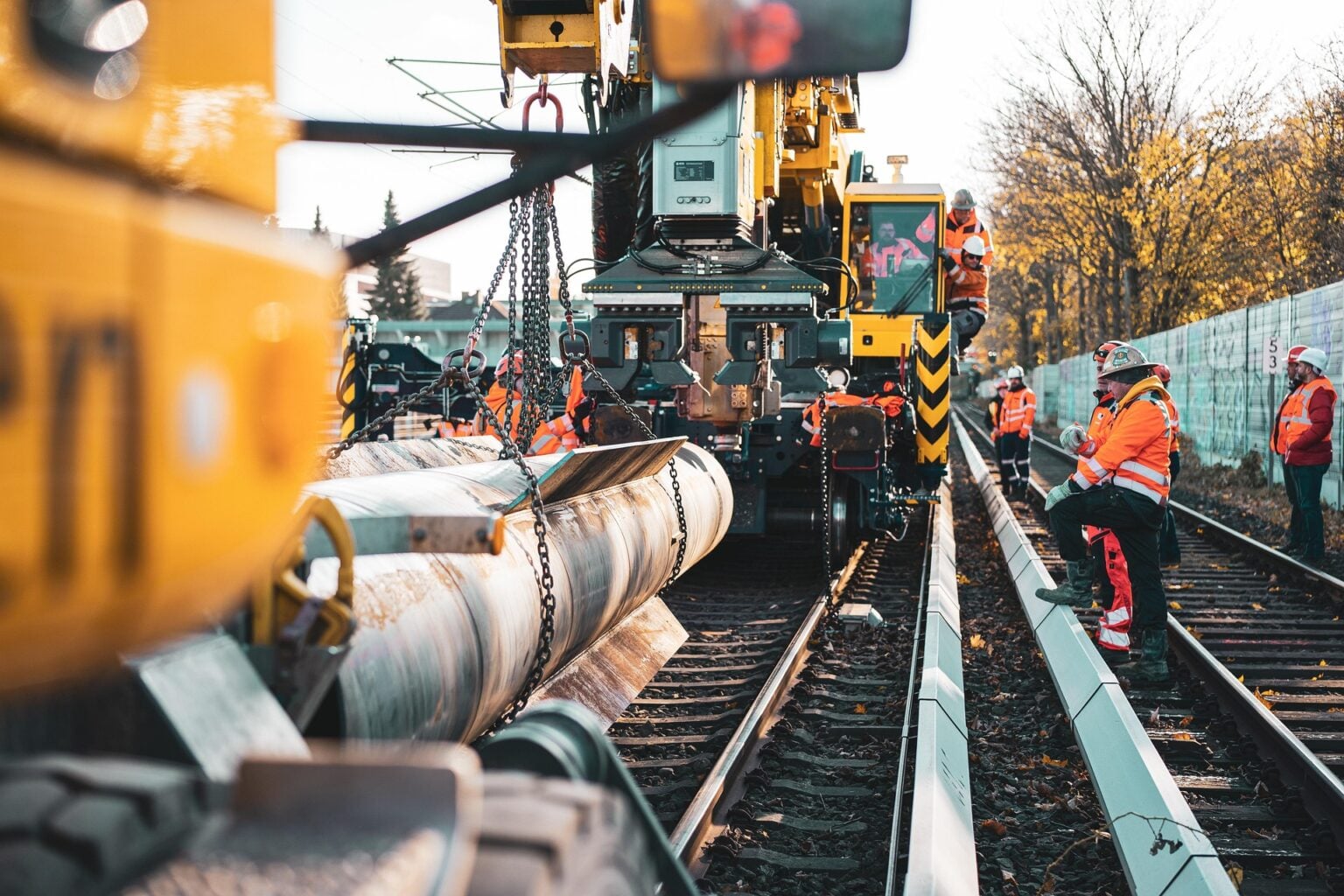
How AI Tackles These Challenges
Avathon’s approach to Asset Management is built on four pillars of AI-enabled capability.
Asset Performance Management
A data-driven framework that monitors asset health, reliability, and performance to optimize lifecycle value and reduce operational risk, maximizing availability and MTBF.
Core Capabilities
- Condition monitoring and health scoring
- Performance analytics and benchmarking
- Failure analytics
- Risk-based maintenance strategies
- Root cause and degradation analysis
Business Value
- Improves availability and production output
- Extends asset lifetimes
- Lowers capital outlays
Asset Performance Management
A data-driven framework that monitors asset health, reliability, and performance to optimize lifecycle value and reduce operational risk, maximizing availability and MTBF.
Core Capabilities
- Condition monitoring and health scoring
- Performance analytics and benchmarking
- Failure analytics
- Risk-based maintenance strategies
- Root cause and degradation analysis
Business Value
- Improves availability and production output
- Extends asset lifetimes
- Lowers capital outlays
Predictive/Prescriptive Maintenance
AI-driven maintenance approach that predicts failures before they occur and recommends mitigating actions using historical, real-time, and contextual data. This approach maximizes failure prediction accuracy while minimizing downtime and maintenance costs.
Core Capabilities
- Anomaly detection and pattern recognition
- Failure prediction models
- Remaining Useful Life (RUL) estimation
- Prescriptive maintenance recommendations
Business Value
- Moves maintenance from reactive to proactive/predictive
- Minimizes maintenance costs
- Prevents catastrophic failures
Predictive/Prescriptive Maintenance
AI-driven maintenance approach that predicts failures before they occur and recommends mitigating actions using historical, real-time, and contextual data. This approach maximizes failure prediction accuracy while minimizing downtime and maintenance costs.
Core Capabilities
- Anomaly detection and pattern recognition
- Failure prediction models
- Remaining Useful Life (RUL) estimation
- Prescriptive maintenance recommendations
Business Value
- Moves maintenance from reactive to proactive/predictive
- Minimizes maintenance costs
- Prevents catastrophic failures
Maintenance, Repair, and Operations (MRO)
Operational workflows and systems that plan, schedule, execute, and track maintenance activities and spare parts usage to optimize schedule adherence while maximizing wrench time, reducing maintenance backlogs, and optimizing inventory turns.
Core Capabilities
- Work order management
- Maintenance scheduling and planning
- Spare parts and inventory tracking
- Technician workflows
Business Value
- Improves maintenance execution efficiency
- Ensures compliance and auditability
- Optimizes spare parts inventory management
Maintenance, Repair, and Operations (MRO)
Operational workflows and systems that plan, schedule, execute, and track maintenance activities and spare parts usage to optimize schedule adherence while maximizing wrench time, reducing maintenance backlogs, and optimizing inventory turns.
Core Capabilities
- Work order management
- Maintenance scheduling and planning
- Spare parts and inventory tracking
- Technician workflows
Business Value
- Improves maintenance execution efficiency
- Ensures compliance and auditability
- Optimizes spare parts inventory management
Fleet Management
Centralized visibility and operational control of distributed assets (vehicles or equipment fleets) to optimize utilization, uptime, fuel efficiency, and cost/asset.
Core Capabilities
- Asset tracking and telemetry
- Utilization analytics
- Route/dispatch optimization
- Compliance and operational monitoring
Business Value
- Improves fleet utilization and efficiency
- Reduces fuel and operating costs
- Enhances safety and compliance
Fleet Management
Centralized visibility and operational control of distributed assets (vehicles or equipment fleets) to optimize utilization, uptime, fuel efficiency, and cost/asset.
Core Capabilities
- Asset tracking and telemetry
- Utilization analytics
- Route/dispatch optimization
- Compliance and operational monitoring
Business Value
- Improves fleet utilization and efficiency
- Reduces fuel and operating costs
- Enhances safety and compliance
Correct Inputs Yield Optimal Outputs
Prescriptive–maintenance-based asset management goes beyond prediction, telling operators not only what will happen and when, but also what to do about it and why. It recommends the best course of action to achieve a specific business objective (like minimizing cost or maximizing uptime or output) based on a broad set of contextual business data:
– Inventory Levels: Are the required spare parts in stock? If not, where are they and how long will it take to get them to where they’re needed?
– Staff Availability: Are maintenance technicians available? What are their specific skills? Do they have the necessary tools?
– Production Schedule: When is the best window to perform the work in order to minimize impact on output?
– Cost Analysis: What are the trade-offs between a temporary fix, a full replacement, and letting the machine run longer, possibly to failure?
The adoption of AI-powered asset management techniques provides significant business benefits:
– Lower Unplanned Downtime: By anticipating failures, organizations can schedule maintenance proactively, driving significant reductions in unplanned downtime.
– Reduced Maintenance Costs: Maintaining/repairing assets only when failures are predicted eliminates the cost of unnecessary, time-based maintenance.
– Extended Asset Lifespan: Proactive/targeted equipment repairs reduce unnecessary strain on assets, extending lifetimes and reducing capital outlays
– Optimized Resources: Maintenance crews and spare part inventories are managed based on actual, predicted needs rather than fixed schedules or one-off emergency repairs, lowering carrying/storage costs
Resources


Why machine learning is the future of maintenance for oil and gas
Machine learning unlocks the insights in your operating data efficiently and accurately, enabling you to identify anomalous behavior, alleviate the cost and burden of model upkeep, and understand causal relationships using advanced unsupervised learning techniques.
Predict rare failures in hydro turbines
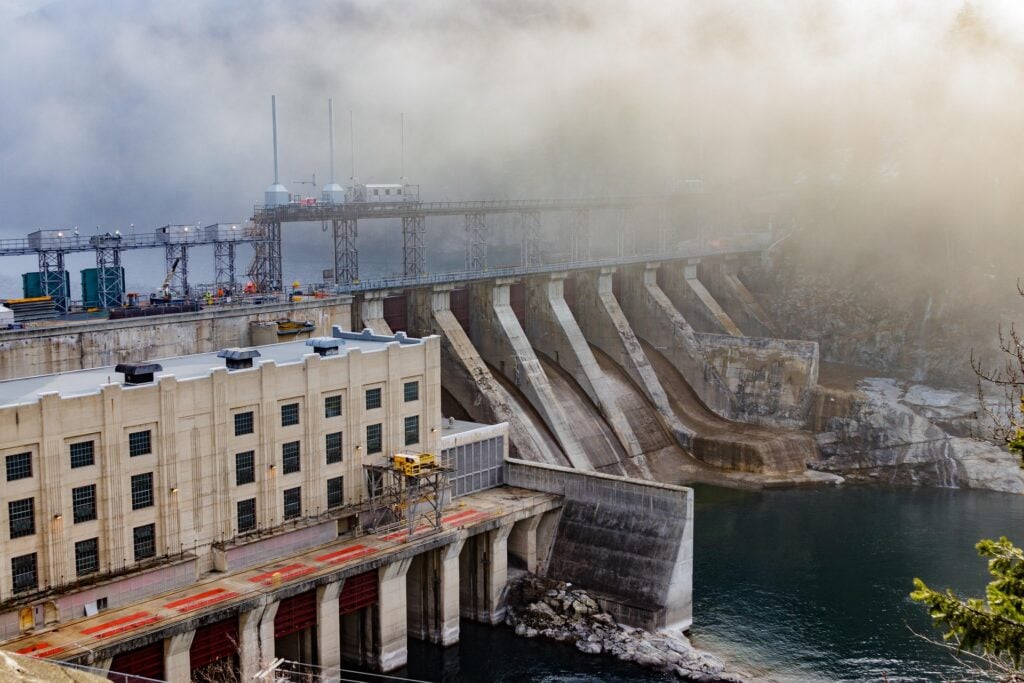
Utility companies that operate hydro turbines have a vested interest in performing regular maintenance to decrease asset downtime and prevent unexpected failures or catastrophic events. In this case study, learn how one leading hydropower utility applied machine learning to better analyze problematic turbine behavior and predict uncommon failures.
Predict ESP failures with variable data quality
Leading upstream oil and gas producers use AI to predict electric submersible pump (ESP) failures to decrease well downtime, reduce costly maintenance, and increase production. Using normal behavior modeling (NBM) and sensor data cluster analysis to identify unhealthy pumps saves money and increases production.