Introduction: The global economy depends on logistics
Growth in global logistics is forecast to grow at about 3.1 – 5.1% CAGR through the end of the decade, with total expenditures over the next decade expected to reach $8.1Tn – $13.1Tn according to recent publications by IMARC Group. But these growth projections have a counterpoint: The sector faces powerful headwinds from the geopolitical challenges of tariff volatility, embargoes, and regional wars—resulting in strategic gamesmanship being played out across global and regional supply chains. That’s in addition to the more traditional and persistent challenges of wavering fuel prices (whether transported or consumed), skills availability, and supply chain sourcing and route uncertainty. These challenges and the expansion of the transport industry, while critical to meeting increasing product demand, only compound the inherent complexities of effectively and efficiently operating a globally distributed logistics fleet.
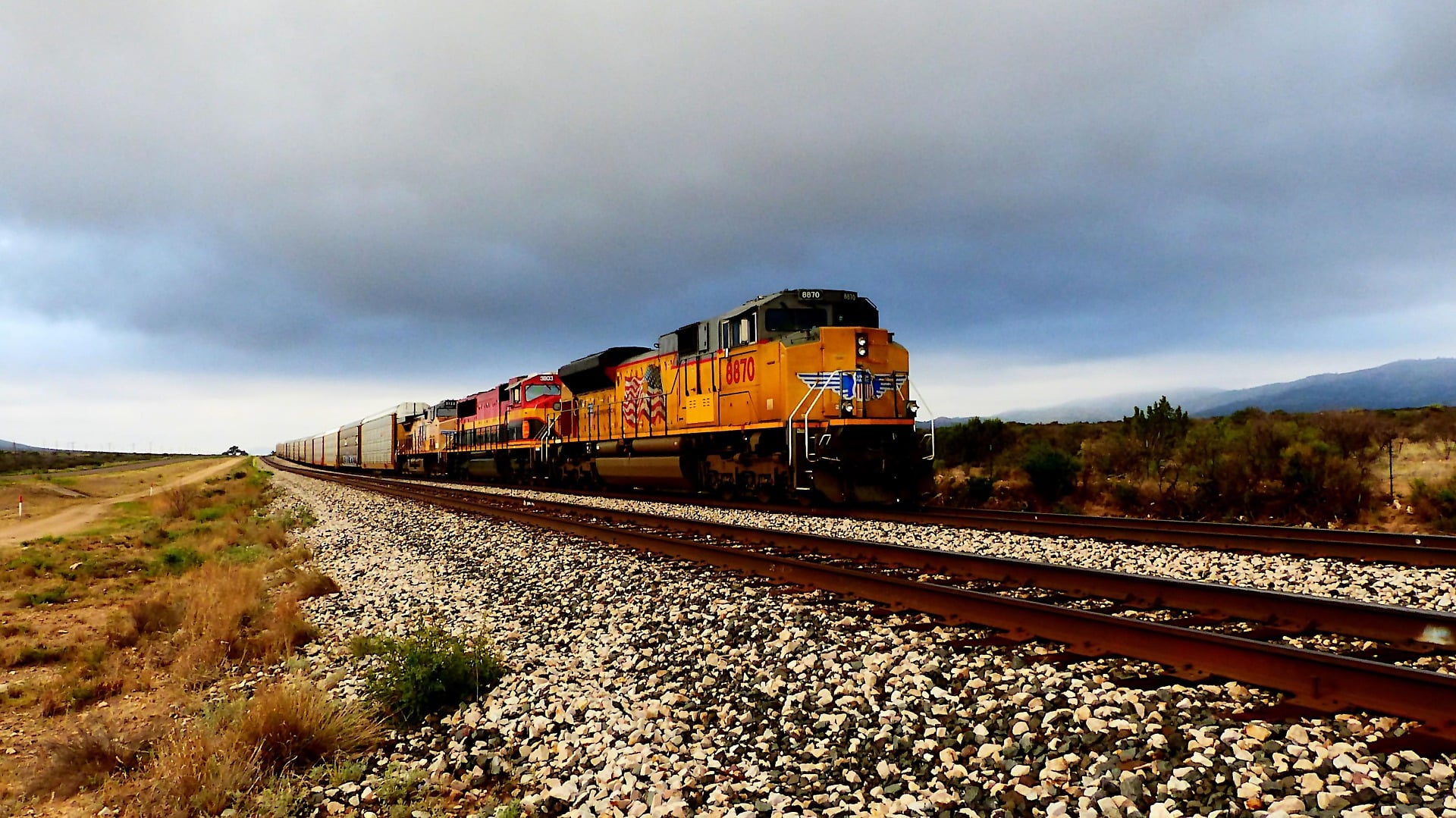
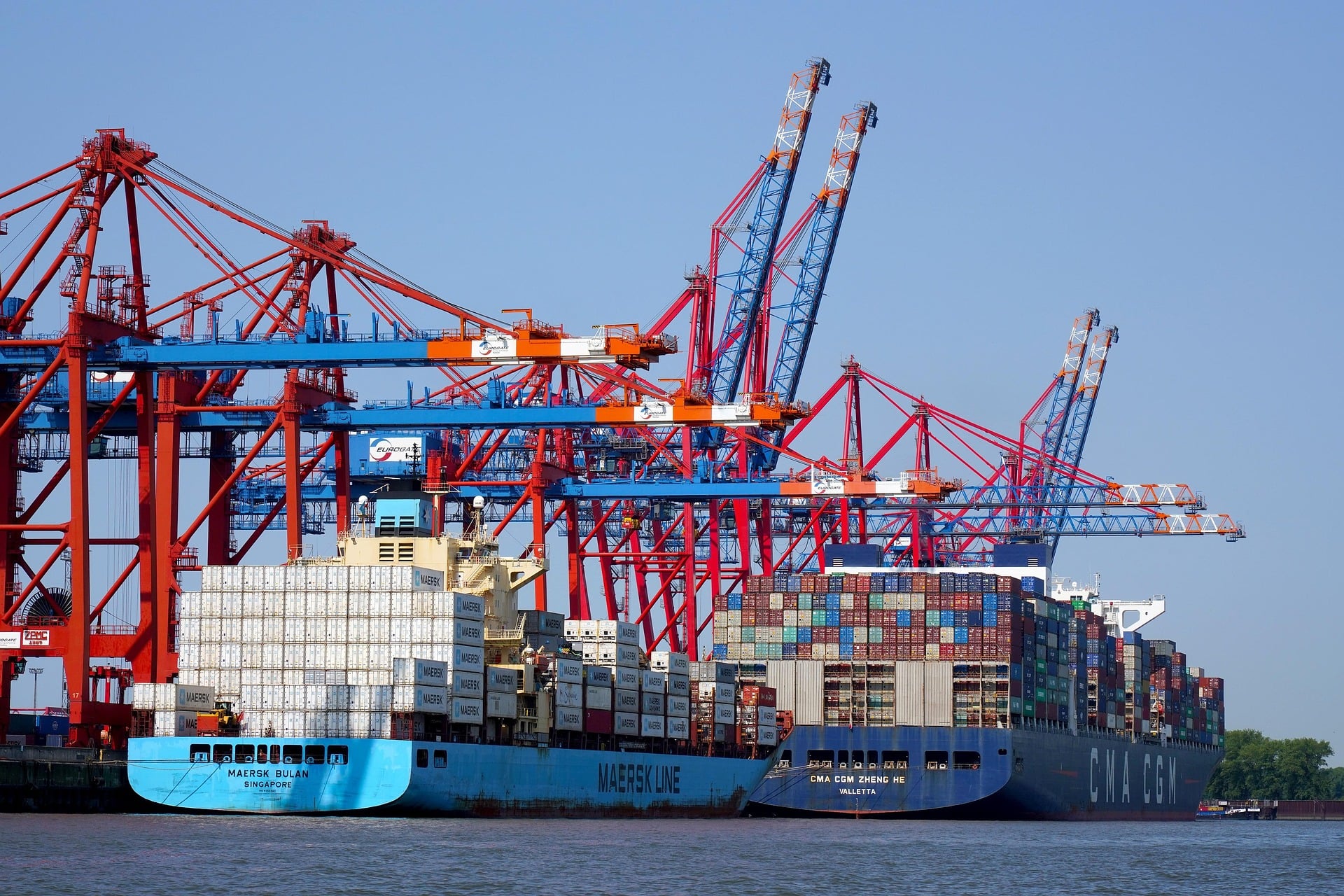
Maritime and terrestrial transportation and logistics are critical to global trade, with shipping alone handling over 80% of the world’s goods by volume. However, the industry faces growing challenges that include inconsistent government trade/tariff policies, operating inefficiencies, rapidly evolving environmental/emissions regulations, and the growing complexity of multi-tier global supply chains. All of these contribute to difficulties for global logistic providers in achieving profitable operations, but all are addressable using the latest AI-powered performance management applications.
A geographically distributed and technologically diverse portfolio of shipping assets (vessels, railcars, trucks, ports, and terminals) generates immense volumes of disparate data. Analyzing all this data and extracting meaningful, actionable insights from it are beyond human capabilities alone. Humans and existing enterprise systems simply can’t manage at this scale and level of interdependency.
Avathon Autonomy Tackles the Full Range of Logistics Challenges
Artificial Intelligence (AI) optimizes logistics operations by enabling improved efficiency, predictive accuracy, and cost savings throughout the entire logistics operating chain. AI algorithms process dynamic variables, e.g., live traffic, weather patterns, and fuel consumption, to enhance delivery routing and fleet management, while machine learning models analyze market signals and historical trends to deliver accurate demand forecasting and automated inventory replenishment. Within facilities, AI-driven warehouse automation and computer vision streamline sorting, order fulfillment, and space utilization, while predictive maintenance models detect vehicle or equipment failure before costly breakdowns occur. By automating routine administrative workflows like freight invoicing, customs documentation, and order status communications, AI enables logistics teams to mitigate disruptions proactively, reduce transit times, and lower operational overhead.
Load Planning and Optimization
- Maximize Space Use: Identifying ideal ways to load pallets/boxes in trailers/containers optimizes weight distribution, space occupancy, stackability, fragility, container usage, etc.
- Optimized load planning: Minimizes number of vehicles required, fuel/driver expense, etc.
Routing Optimization
- Multi-Variable Processing: AI continuously analyzes vast amounts of external data, e.g., live traffic patterns, weather forecasts, road construction, and delivery windows—to determine the most efficient routes.
- Minimizing Empty Miles: By intelligently matching loads and optimizing multi-stop journeys, AI helps curb non-revenue empty miles (where trucks drive empty), which historically account for a significant portion of trucking logistics overhead.
- Real-Time Re-Routing: If a disruption occurs mid-trip (e.g., an accident or sudden road closure), AI algorithms can dynamically recalculate and send alternate routes to drivers instantly.
Customer Order Management
- Identifying Best Transport Mode: Determine whether goods should be sent by air, sea, rail, or truck, or some combination of these.
- Order Consolidation: Identify opportunities to combine multiple orders going to the same destination.
- Multi-Channel Automation: Use Natural Language Processing (NLP) and Optical Character Recognition (OCR) to extract order details from unstructured sources, e.g., customer emails, PDFs, scanned purchase orders, or EDI documents, without human data entry.
- Instant Error Detection: Machine learning algorithms automatically cross-reference incoming orders against current inventory levels, customer credit limits, and historical purchasing patterns, flagging anomalies or potential out-of-stock situations before commitment.
Carrier Selection
- Shipper Selection: Determine which trucking company to use from many available options based on lowest cost, delivery performance to date, lowest carbon emissions, etc.
- Tendering Processes: Efficiently manage the process of offering loads to shippers, receiving acceptance, autonomously moving on to second and third options if needed.
- Streamlined Bids and RFPs: AI agents automatically generate, structure, and launch Request for Quotations (RFQs) or bids based on predictive volume patterns and current market conditions.
- Intelligent Bid Evaluation: Rather than manually compare numerous carrier proposals, machine learning models analyze complex bid structures, accounting for tiered pricing, fuel surcharges, and additional fees, to recommend the lowest-cost options.
- Anomaly Detection: AI instantly flags abnormal bids, hidden fees, or abnormal pricing outliers in carrier proposals before contracts are locked in.
Pickup/Delivery Scheduling and Management
- Self-Service Smart Portals: AI-driven dock scheduling tools allow carriers to book delivery windows automatically, suggesting available time slots based on real-time warehouse labor capacity, equipment availability, and current dock door occupancy.
- Predictive Dwell-Time Adjustments: Machine learning models forecast expected dwell times based on historical data (e.g., specific carrier performance, cargo type, time of day, and facility busyness), preventing over-booking and reducing congestion at docks.
- Intelligent Slot Rescheduling: If a truck is delayed on the road, AI dynamically recalculates ETA and automatically rearranges appointment slots or reallocates dock doors to minimize idle time for warehouse staff.
- Proactive ETA Recalculation: AI continuously monitors live telematics, GPS data, traffic, and weather along the delivery path, updating estimated arrival times.
- Early Warning Alerts: If a vehicle is projected to miss its delivery window, the system flags the exception hours in advance, giving warehouse teams or receiving managers time to adjust staffing or notify the customer before a failure occurs.
Visibility and Orchestration
- End-to-End Multimodal Tracking: AI aggregates data from telematics, IoT sensors, electronic logging devices (ELDs), port authorities, and carrier APIs into a single, real-time control tower dashboard.
- Proactive Exception Detection: Instead of reacting to missed deadlines after they happen, machine learning models analyze historical patterns and live conditions (weather, traffic, customs delays) to predict failures hours or days before they materialize.
- Automated Contingency Orchestration: When a critical disruption occurs (e.g., a truck breakdown, a severe weather closure, or a port strike), AI doesn’t just send an alert; it initiates a pre-configured or AI-recommended recovery plan instantly, dispatching another vehicle, writing off the order if perishable, etc.
- Dynamic Rerouting and Re-booking: AI can automatically spin up backup capacity, tender loads to secondary carriers, or reroute freight across alternative transport modes (e.g., shifting from road to rail) without human intervention.
- Automated Stakeholder Notifications: Intelligent workflows instantly update affected customers, receiving warehouses, and sales teams with revised ETAs and resolution steps, keeping communication transparent and synchronized.
Freight Payment and Settlement
- Instant Document Cross-Referencing: AI and optical character recognition (OCR) automatically extract line-item data from carrier invoices, bills of lading (BOLs), and original rate confirmations.
- Precise Invoice/Contract Matching: Machine learning algorithms instantly perform matches to verify that the invoiced amount aligns with agreed-upon contract rates, contracted additional fees, and actual delivered quantities.
- Catching Hidden and Duplicate Overcharges: AI catches billing discrepancies that human auditors often miss, e.g., duplicate invoices, unauthorized fuel surcharge calculations, or inflated detention and extra fees, saving companies significant overages on freight expenditures.
- Smart Discrepancy Resolution: When an invoice doesn’t match the contract, AI automatically flags the specific line-item variance, compiles the supporting evidence, e.g., geo/timestamps or signed proof of delivery (POD), and generates a formal dispute notice.
Conclusion: AI enhances competitiveness by transforming logistics operations
Transportation vehicle, vessel, and aircraft owner/operators and shippers conduct complex logistics operations in some of the most challenging environments, where unpredictable weather, mechanical wear, and operational fatigue can result in equipment failures and travel/delivery delays. Achieving safe, efficient, and profitable logistics performance demands that timely and accurate decisions are made and actions taken—actions that simultaneously optimize a large number of critical and rapidly-changing variables.
The scale and complexity of accelerating global growth rates in international logistics, combined with evolving political priorities, means that the complementary relationship between AI and operational performance of logistics operators grows in importance with each day and each new delivery. As the world’s trading volume continues to grow, the unique capabilities of Avathon’s Autonomy Platform will be key to ensuring that your future logistics needs are met sustainably and profitably.
To learn more about Avathon’s Autonomy Platform for Logistics, visit our website.